Temperature-Controlled Transport: General Overview

Temperature-controlled road freight involves maintaining specific conditions during transport. Refrigerated units are set to required ranges depending on the goods. The process includes monitoring and adjustment to support the integrity of perishable items for food and pharmaceutical supply chains. This approach relies on equipment, handling procedures, and environmental factors, and it does not guarantee outcomes. The framework aims to provide a consistent method for moving sensitive goods across the UK.

Our Operational Approach to Temperature-Controlled Freight

ThermoFleet handles temperature-sensitive consignments typically associated with food and pharmaceutical supply chains, including chilled, frozen and certain ambient-stable products requiring consistent conditions. Our refrigerated vehicles use integrated cooling units and insulated compartments to maintain a defined temperature range throughout transit. Each journey begins with a pre-trip temperature setting based on the cargo profile, followed by continuous in-vehicle monitoring and routine data logging. Drivers and operations staff follow standard procedures for loading, segregation and door management to limit temperature deviations at transfer points. The actual conditions experienced depend on factors such as vehicle uptime, ambient weather, loading density and route duration.
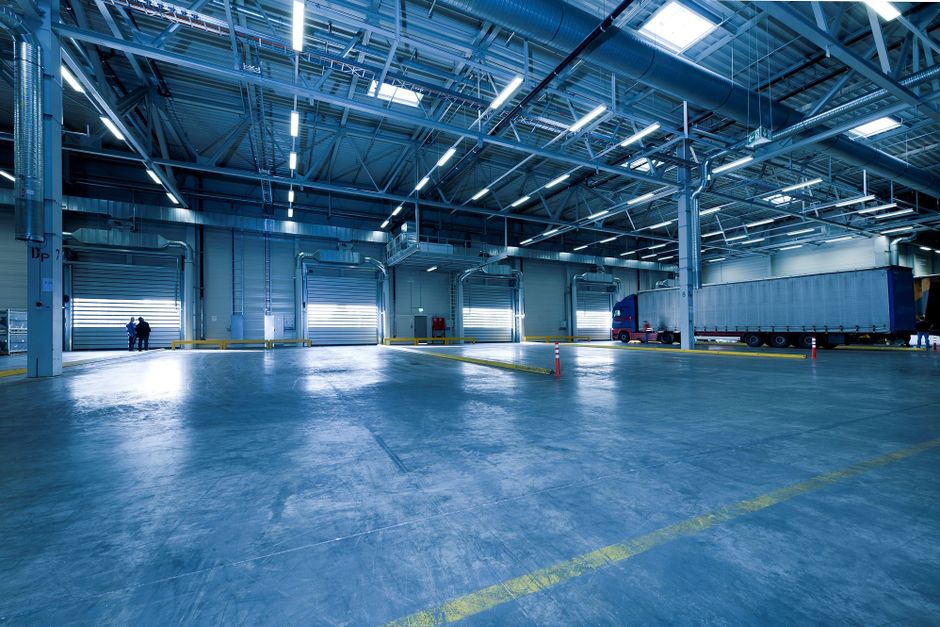
Large warehouse interior with docked truck, ideal for logistics and warehousing.

How Temperature-Controlled Shipments Are Arranged

  • 01

    Initial Consultation

    Discussion of goods, routes, timelines, and specific handling considerations for the planned shipment.

  • 02

    Temperature Requirement Assessment

    Evaluation of product stability data to define appropriate temperature ranges and monitoring needs.

  • 03

    Vehicle Preparation

    Calibration of refrigeration units and pre-cooling of the cargo space before loading begins.

  • 04

    In-Transit Monitoring

    Continuous tracking of internal conditions with alerts for deviations during the journey.

Client Feedback Themes

Factors Influencing Cold Chain Stability on the Road

Maintaining temperature stability during UK road transport involves a range of variables. Ambient conditions, vehicle insulation, door openings at stops, and traffic delays can each influence internal temperatures in different ways. The interaction of these elements is not always predictable, so contingency planning may help logistics providers prepare for potential deviations. Documented protocols for rerouting, backup cooling capacity, and communication with consignees are common elements of such planning. Load configuration and pre-cooling procedures can also shape how conditions evolve over a journey. Monitoring systems that record temperature over time support later analysis and may assist in identifying patterns or outliers without implying a permanent solution for every situation. Because no single measure addresses every scenario, operational limits and responsibilities are typically defined in agreement with the parties involved, taking into account product characteristics and journey profiles.

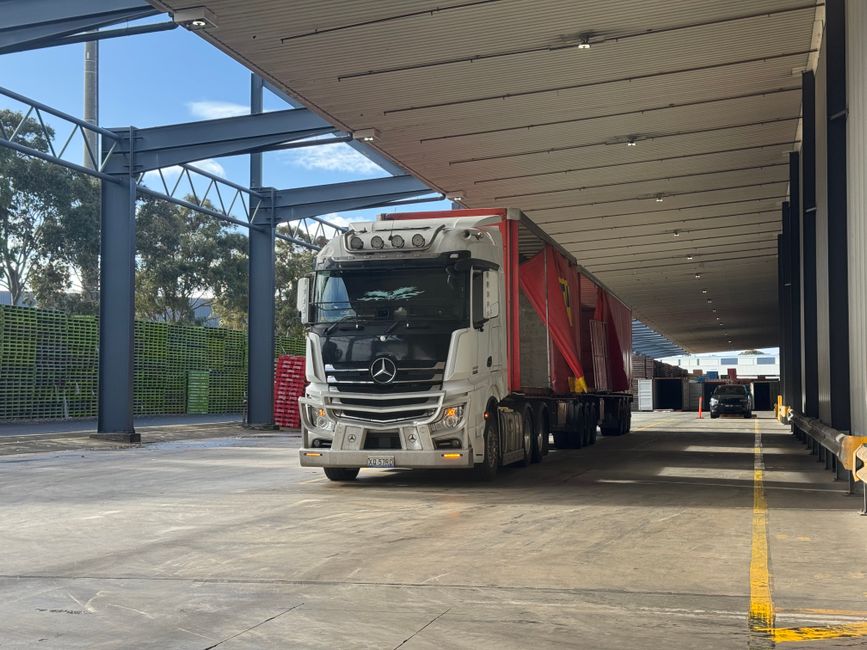
Large truck parked in a loading bay under a roof, ready for industrial transport.

How Our Refrigerated Haulage Operations Are Structured

ThermoFleet's operational framework is built around clear fleet categorisation. Vehicles are grouped by temperature range, payload capacity, and trailer type, allowing consignments to be assigned to appropriate units based on specified conditions. Each class follows documented pre-cooling, monitoring, and loading procedures. Operations align with UK transport regulations, including operator licensing, driver hour rules, and temperature-control guidance for food and pharmaceutical consignments. Compliance is supported through scheduled equipment checks, calibration records, and traceable documentation. The framework defines roles, handover points, and escalation steps, providing a structured reference for shippers assessing whether the approach fits their consignment requirements and internal procedures agreed before dispatch.

A truck driver in high-visibility gear unloading cargo at an industrial facility.

Service Framework Summary

  • Temperature Range Options

    Available setpoints cover chilled, frozen, and ambient configurations for various cargo requirements.

  • Monitoring Methods

    Continuous tracking via sensors provides real-time data on internal conditions throughout transit.

  • Documentation Practices

    Standard reports record temperature logs and handling details for compliance and traceability.

  • Process Structure

    Defined steps include pre-transit configuration, active monitoring, and post-delivery review.

Operational Details and Procedures

  • 1How are temperature settings determined for a shipment?
    Settings are defined based on the nature of the goods and agreed within the service scope. This process is replicable and documented, following requirements rather than fixed presets.
  • 2What methods are used to monitor conditions in transit?
    Vehicles are equipped with sensor systems that record readings at intervals. Data can be accessed by authorised parties for monitoring and verification, depending on the plan chosen.
  • 3What documentation is produced during temperature-controlled transport?
    Transport records typically include temperature logs, calibration references, and delivery notes where applicable. These follow relevant trade and client specifications on a per-shipment arrangement basis.
  • 4Can specific temperature profiles be maintained throughout the journey?
    Stability depends on factors alongside technical systems, such as loading conditions and durations. Procedures aim to support consistencies best practice, with performance information associated to specific lanes with timing scenarios.
  • 5Is ThermoFleet responsible for verifying product suitability for temperature-controlled transport?
    Adjustments to settings and packaging rely on instruction input; regulatory aspect included ensures alignment product conditioning and service arrangements reflect sector dependencies co-maintained with holders themselves.

ThermoFleet's Multi-Stage Approach to Ultra-Sensitive Goods

ThermoFleet employs a structured temperature-controlled freight framework. Sensitive shipments are managed by trained coordinators who verify vehicle pre-cooling, perform calibrated sensor checks, and confirm that calibration documentation corresponds to each batch and clinical batch requirements. Loading follows segregated handling sequences, using a pre-approved mapping that coincides with individual packaging types. Drivers and loading teams connect via a critical communication line, exchanging status updates prior to, and after any transshipment. Incidents are logged using overwrite-free data recording, allowing for context-aware evaluations and time-stamped reports. All procedures operate as evidence-based tools for maintaining thermal integrity, thereby helping support compliance with regulations — though accountability depends on variables like infrastructure readiness, regulatory review, and independent cooperation at border control points.

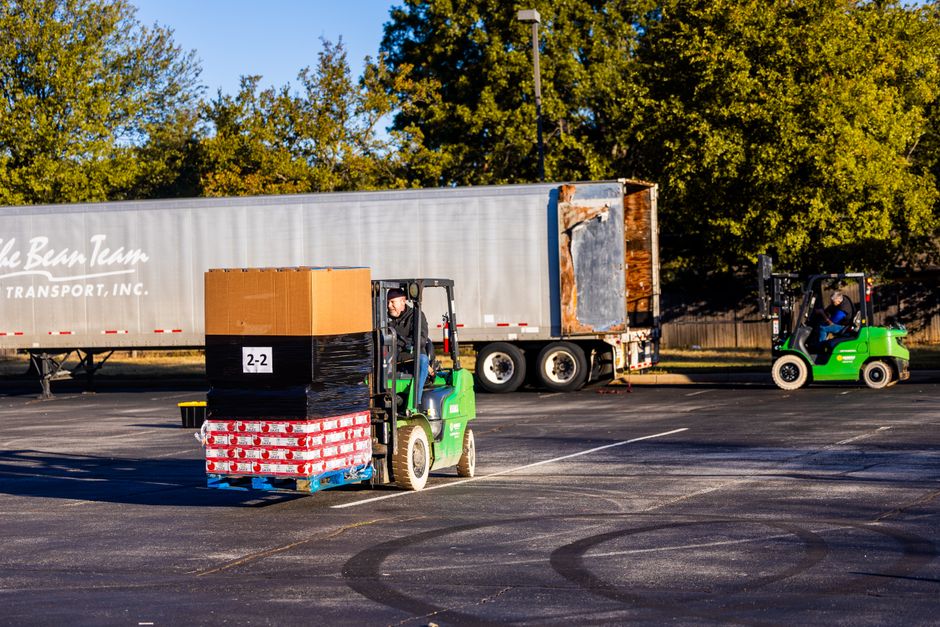
Forklift operators loading pallets onto a truck outdoors on a sunny day. Efficient warehouse logistics in action.

Temperature Monitoring Technologies in Transit

During refrigerated transport, temperature monitoring relies on various sensor types, such as thermocouples, resistance temperature detectors, and digital sensors. Data logging devices record readings at set intervals, creating a traceable record of conditions. This information supports verification and analysis of the transport environment. The choice of technology and logging parameters depends on the goods, route, and agreed procedures. The data provides a factual basis for review without implying specific outcomes.

From Booking to Delivery Confirmation

  • 01

    Shipment Booking

    The client provides details such as goods type, required temperature, and delivery timeframe for scheduling.

  • 02

    Carrier Assignment

    A suitable refrigerated vehicle is assigned based on the specific temperature requirements of the shipment.

  • 03

    Temperature Verification at Handover

    At the point of transfer, the temperature is checked to confirm it remains within the agreed parameters.

  • 04

    Record-Keeping and Delivery Confirmation

    All temperature records and delivery details are documented, and the recipient confirms receipt of the shipment.

Operations and Equipment Gallery

View refrigerated vehicles, temperature-controlled loading areas, and monitoring devices used in ThermoFleet operations. These visuals illustrate the procedural infrastructure and tools involved in managing temperature conditions for sensitive cargo transports across the United Kingdom.
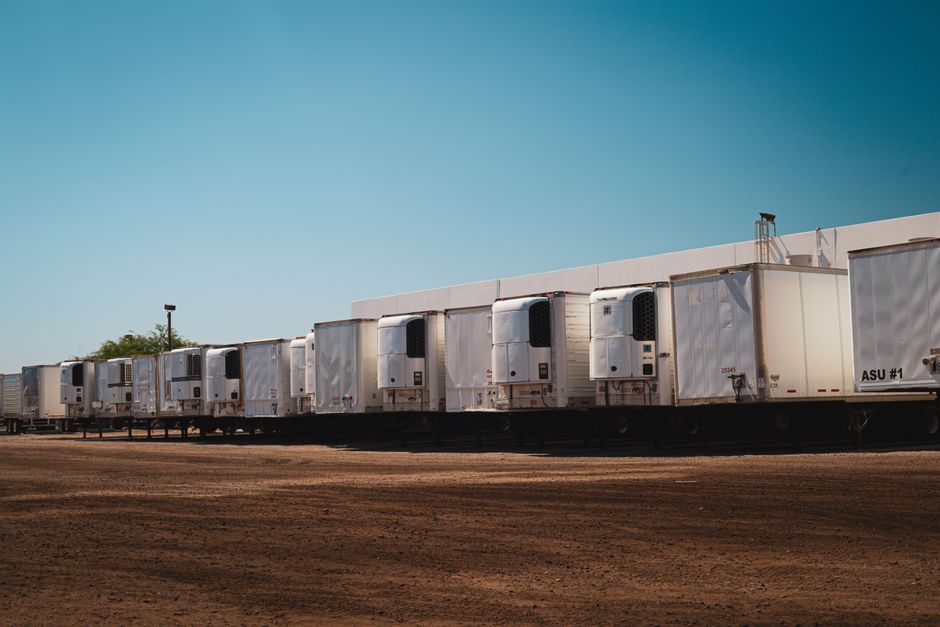
Refrigerated trucks parked in an industrial lot under a clear blue sky on a sunny day.
A row of freight trailers parked at a commercial loading dock, emphasizing transportation and logistics.
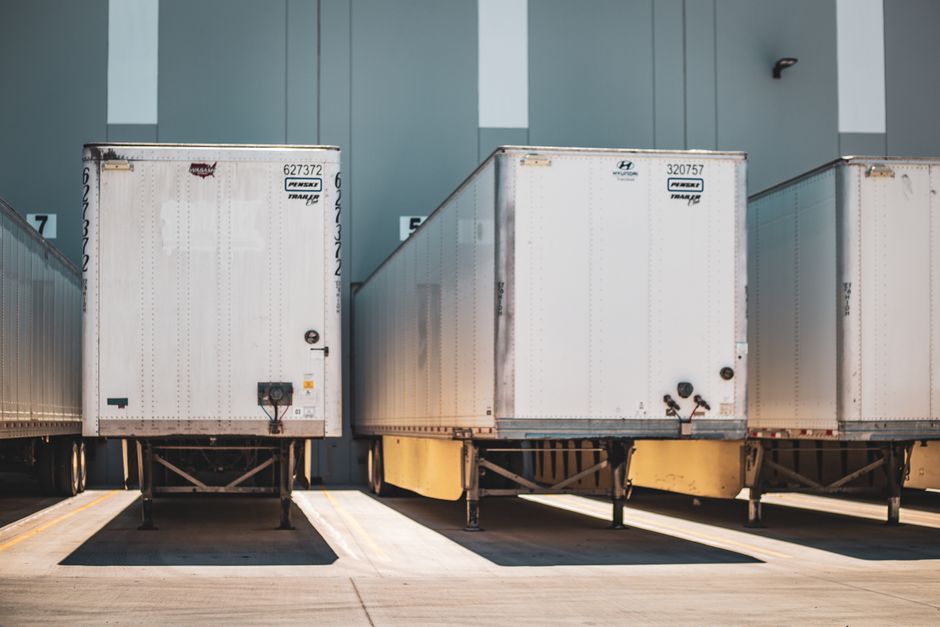
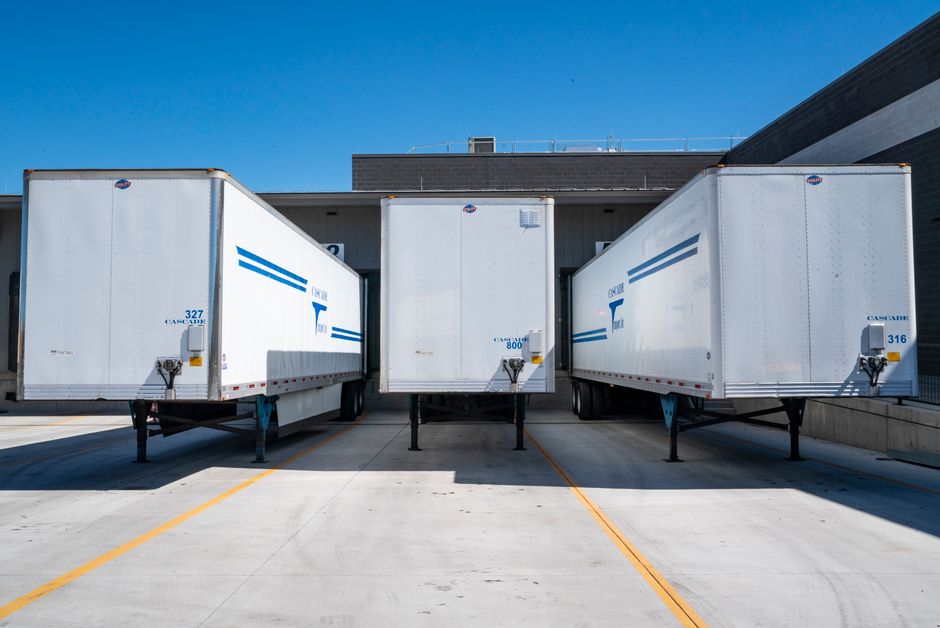
Three white cargo trailers parked at an industrial shipping dock under clear blue skies.
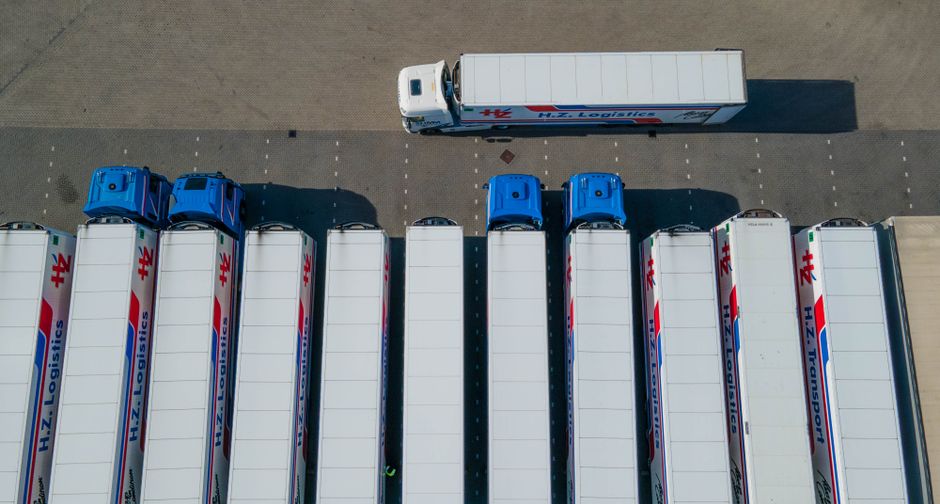
Top-down drone shot of logistics trucks arranged in a row in a parking lot.

Regulatory and Best Practice Considerations for Temperature-Controlled Logistics in the UK

Temperature-controlled logistics operates within framework of UK and international regulations, intended to maintain product integrity. Commonly referenced standards include GDP guidelines for pharmaceuticals and UK food safety regulations. These outline requirements for temperature monitoring for respective sectors. Documentation typically includes temperature records, equipment calibration certificates, and standard operating procedures. Verification of these documents supports chain compliance.

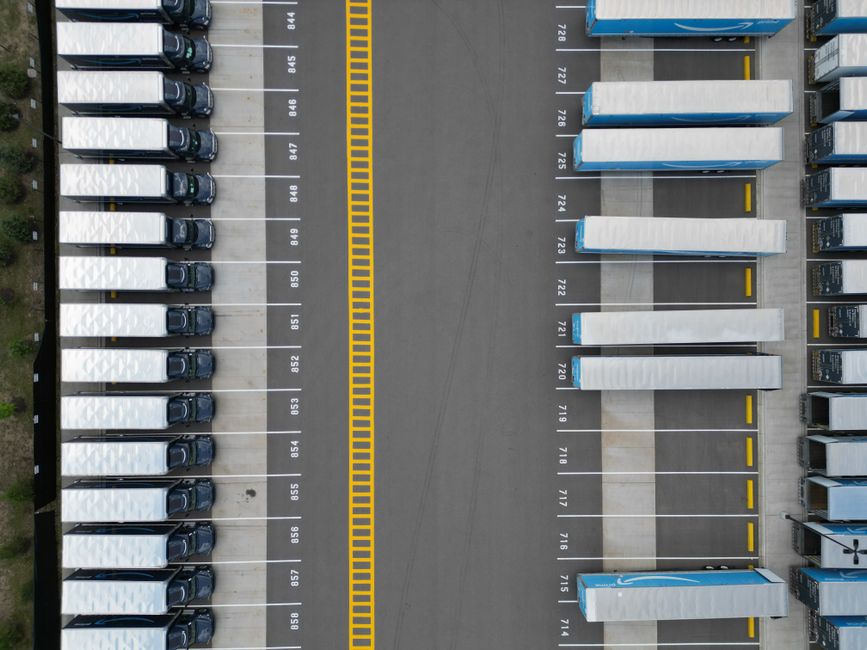
Top-down view of lined-up trucks at a logistics parking lot, showing organized transportation hub.

Adapting Temperature-Controlled Transport to Regulated Supply Chains

ThermoFleet works with companies in the food and pharmaceutical sectors, where particular care is given to transport conditions. The focus is on adapting our processes to each client's needs: shippers can specify temperature setpoints, handling procedures and documentation flows that are then integrated into the transport schedule. Where products require validation or extra checkpoints, the agreed requirements are mapped out in advance and monitored throughout. This collaborative planning feeds a feedback loop that helps refine procedures for comparable assignments without short cut. Routes are designed in cooperation with quality managers and logistics staff, so that all parts understand the chosen model step by step.

Operational Details

Close-up of a digital hygrometer showing temperature and humidity indoors.
  • Refrigerated Fleet

    Comprises multi-temperature vans and HGVs, equipped with independent cooling units and real-time temperature monitoring.

  • Geographic Coverage

    Routing available across the entire United Kingdom, including major motorway corridors and remote areas.

  • Support Services

    24/7 operational support provides temperature adjustments, shipment tracking, and documentation assistance.

  • Process Overview

    Every shipment includes defined temperature setup, in-transit condition monitoring, and delivery confirmation via reports.

Contact ThermoFleet

Reach ThermoFleet for enquiries about temperature-controlled road freight in the UK. Our team provides details on services, routing, and compliance documentation.

Send a General Enquiry

We use cookies

We use cookies to ensure the proper functioning of the website, analyze traffic, and improve your experience. You can accept all cookies or reject them — the site will continue to operate. For more details, read our Cookie Policy.